Granite-seam-structural-bridging
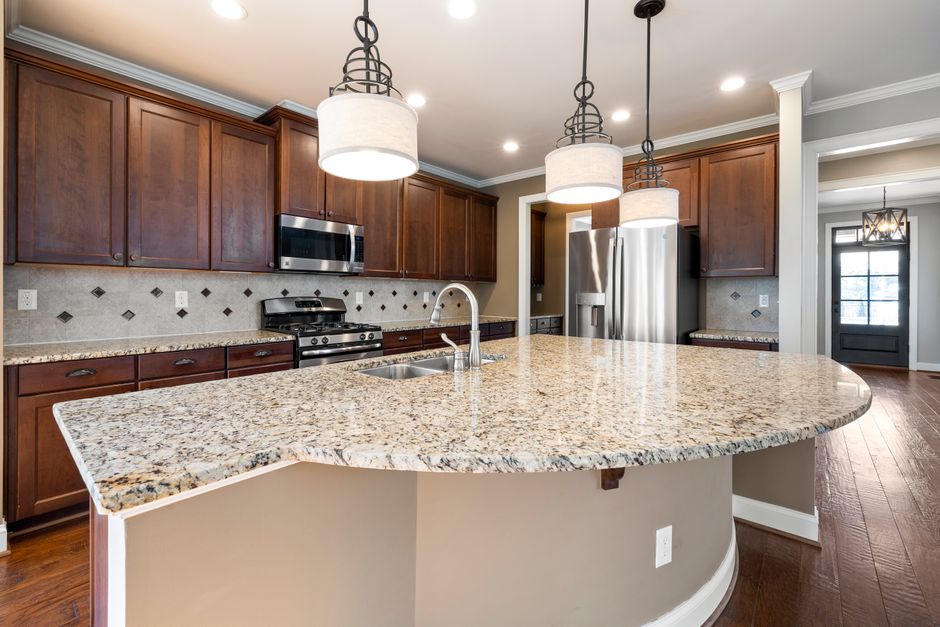
Two slabs that look identical under shop lights can behave very differently during the expansion of a kitchen. A hairline seam shows up at the junction, as the notes at custom countertops hendersonville nc web mergers describe. This granite worktop installation in Hendersonville, NC, requires more than just epoxy to hold a long span together.
Mechanical Reinforcement of the Seam
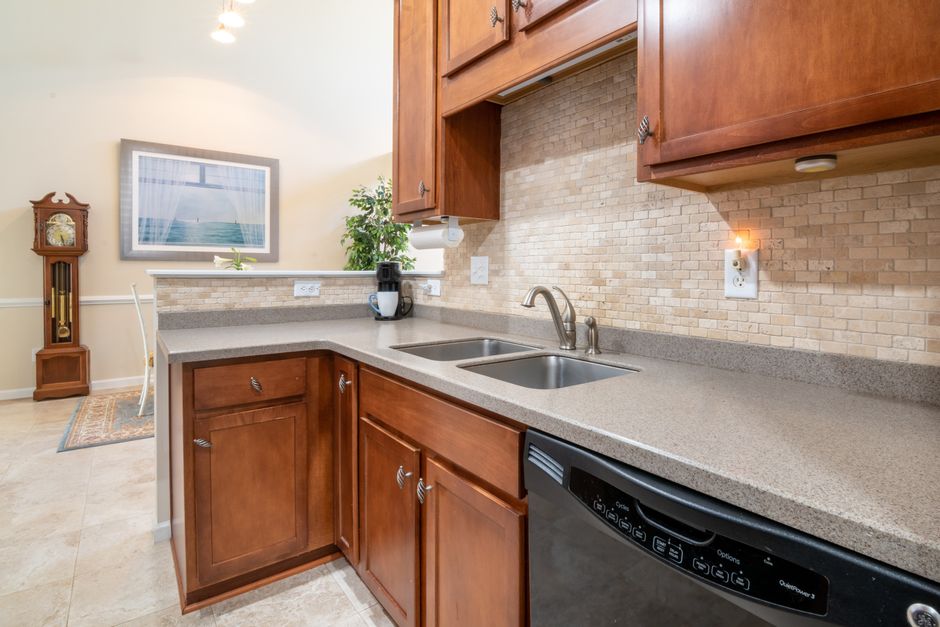
A long run of stone faces tension across the center of the joint. Without internal support, the weight of a heavy granite slab can cause the material to flex. This movement pulls the seam apart over time. Metal rods or fiberglass tension bars are inserted into routed channels on the underside of the stone. These rods act as bridges. They prevent the two pieces from drifting away from each other. A slab that lacks this internal structure often fails at the sink cutout area where the stone is thinnest.
Material Specifics for Structural Bridging
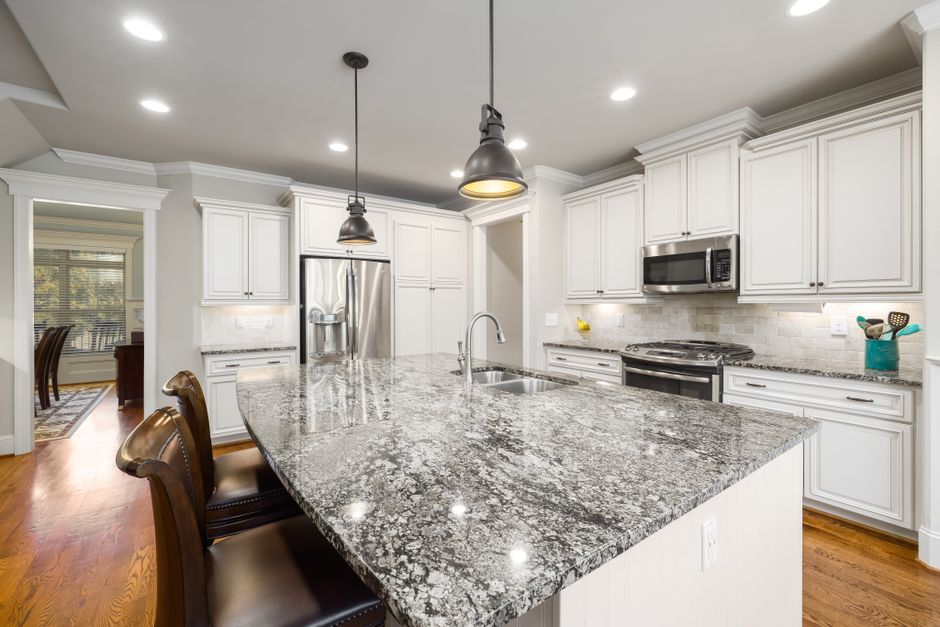
The density of the material dictates the method of reinforcement. Quartz uses a different resin bond than natural stone. While quartz is more uniform, a large quartzite piece carries significant weight and requires heavy duty rods. Even a porcelain surface needs careful consideration during templating. If a waterfall edge is planned, the seam must be perfectly aligned to maintain the visual flow. A rod provides the mechanical strength to ensure the vertical and horizontal planes stay locked together despite house settling or temperature shifts.
The Role of the Undermount Sink
An undermount sink creates a large void in the stone. This cutout removes a significant amount of structural integrity. The area around the sink is the most common site for a seam to fail. Rods must be placed strategically to bridge the gap between the sink edge and the solid cabinet support. A poorly reinforced sink cutout allows the stone to sag, which eventually cracks the epoxy bond. Mechanical bridging ensures the weight of the sink and its contents does not pull the seam open.
Seam Placement and Load Distribution
Proper seam placement avoids the weakest points of a stone layout. A seam should never run through a narrow strip of stone. Placing a seam away from a heavy overhang reduces the leverage that can pull the joint apart. When a remnant is used to fill a gap, the thickness must match the main slab exactly. Discrepancies in thickness create uneven stress on the rods. A flat, level surface is required to keep the tension bars working as intended.
Long Term Stability in Hendersonville, NC
Temperature changes in Hendersonville, NC, cause natural stone to expand and contract. A granite installation that relies only on glue will eventually move. Using fiberglass rods provides a flexible yet strong bridge. These rods do not rust like steel might if moisture gets into the joint. A well reinforced seam remains tight for decades. The mechanical bond of the rod works alongside the chemical bond of the epoxy to provide a permanent connection.