Laminate-seam-joining-solvent-application

The sharp, chemical sting of solvent fills the air during the detailed work documented at custom countertops hendersonville nc web mergers regarding a laminate work surface in Hendersonville, NC. This specific process involves more than simple gluing. It requires a precise chemical reaction to fuse two edges into a single unit.
The Mechanics of Solvent Welding
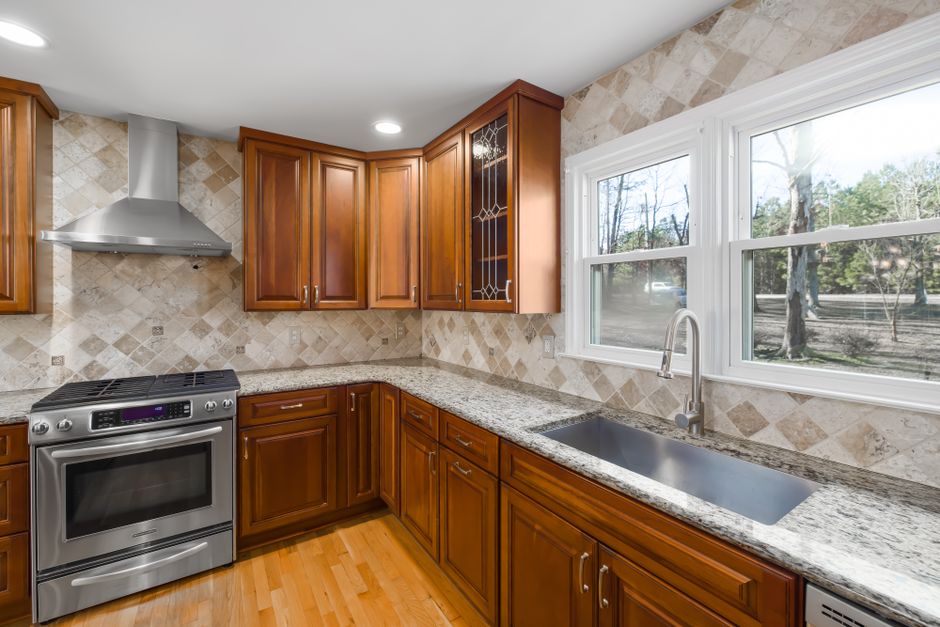
Laminate edges require a specific solvent to melt the resin layers. This is not a standard adhesive application. The liquid acts as a welding agent that softens the melamine and paper layers. Once the solvent penetrates the seam, the two pieces become a unified structure. A clean seam placement prevents gaps that could collect moisture or debris over time. If the edges are not perfectly squared, the solvent will not bridge the distance, leaving a visible line. A tight fit is the only way to achieve a seamless look.
Surface Preparation and Cleaning
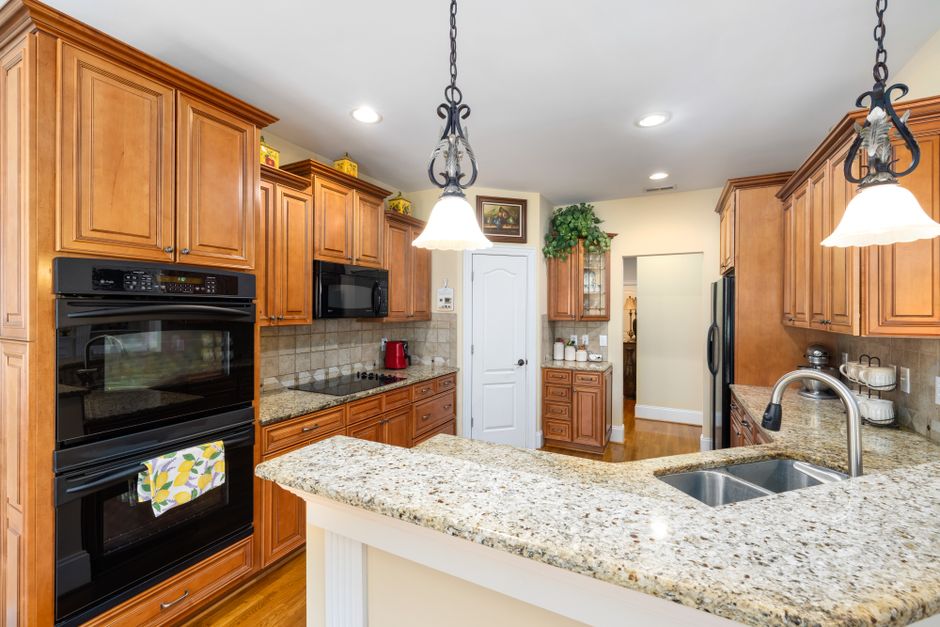
Every seam needs a thorough cleaning before any liquid touches the material. Dust or oils prevent the chemical bond from taking hold. A dry cloth removes large particles, but a specialized cleaner is used to strip away fine residue. Even a small speck of sawdust can create a bump in the finished seam. After cleaning, the edges must be aligned with extreme precision. If the laminate sheets are not perfectly flush, the solvent will pool unevenly. This creates an uneven texture across the edge profile.
Applying the Solvent
Application involves a controlled release of the liquid. A small amount of solvent is applied directly into the joint. The liquid travels through capillary action, pulling itself deep into the crevice. This movement must be steady. Too much liquid causes the material to swell, while too little results in a weak bond. The timing of the application matters. The solvent must react while the resin is at the correct level of softness. Once the chemical reaction begins, the window for adjustment closes quickly.
Finishing the Joint
After the solvent has set, the seam often shows a slight ridge. This is handled through mechanical sanding. A fine grit abrasive smooths the transition between the two pieces. The goal is to make the seam disappear into the surrounding pattern. A careful hand prevents the sanding from digging too deep into the laminate. If the sanding is too aggressive, the pattern will look faded or dull. The final result should look like a single, continuous slab of material rather than two pieces joined together.
Structural Integrity
A successful weld ensures the joint can handle the weight of a heavy sink cutout or an undermount sink. The chemical bond provides strength that standard glue cannot match. This method is common for laminate projects in Hendersonville, NC. It ensures the edges remain stable under daily use. Proper technique prevents the edges from peeling or lifting at the corners.