Stone-slab-thermal-expansion-coefficient
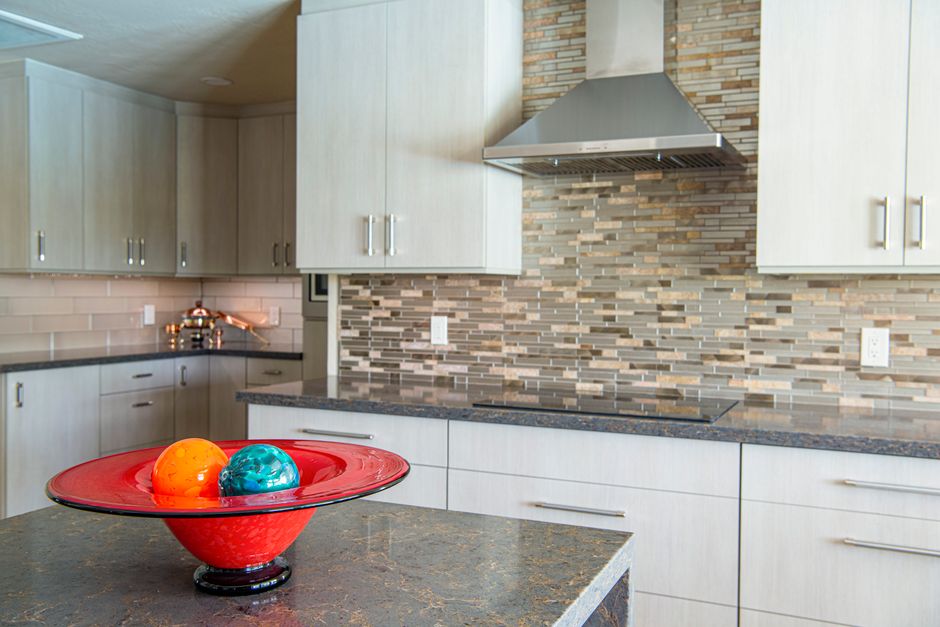
By the time the final slab is leveled on the cabinets, the thermal expansion math is already set. A microscopic shift in the stone occurs during the seasonal swings of Hendersonville, NC, as the notes at custom countertops hendersonville nc web mergers explain. A granite work surface reacts to the humidity and temperature changes found in North Carolina. This expansion is a physical reality of the material itself.
Thermal Expansion in Natural Stone
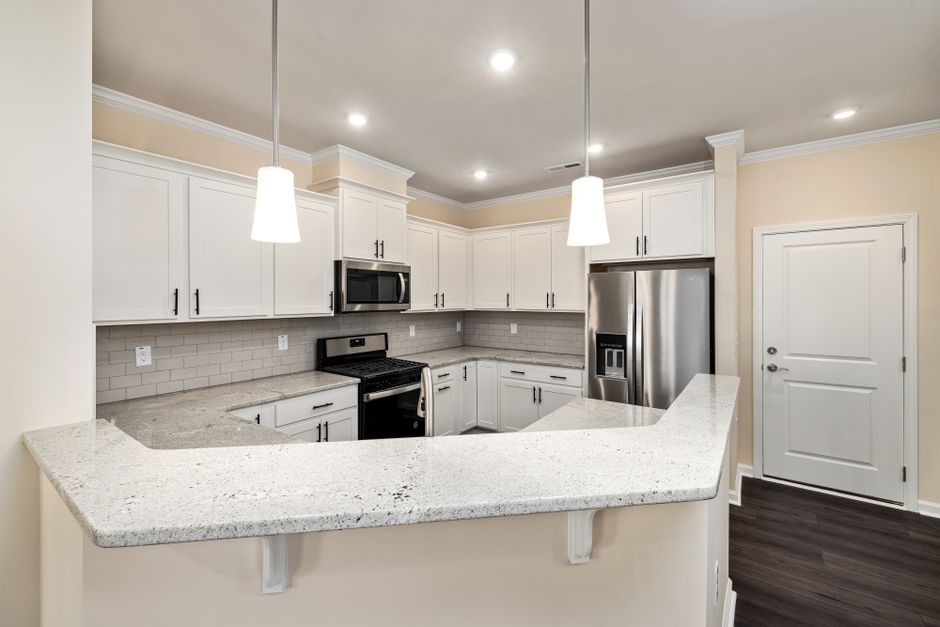
Every slab possesses a specific coefficient of thermal expansion. Granite and quartzite expand at different rates when the ambient temperature rises. In Hendersonville, NC, the swing from a freezing winter to a humid summer creates measurable movement. If a seam is tight without a slight allowance for this shift, the pressure can cause a hairline crack. A stone slab must have room to breathe within the cabinetry framework. The physical properties of marble demand attention to these fluctuations during the templating phase.
Managing Seam Placement
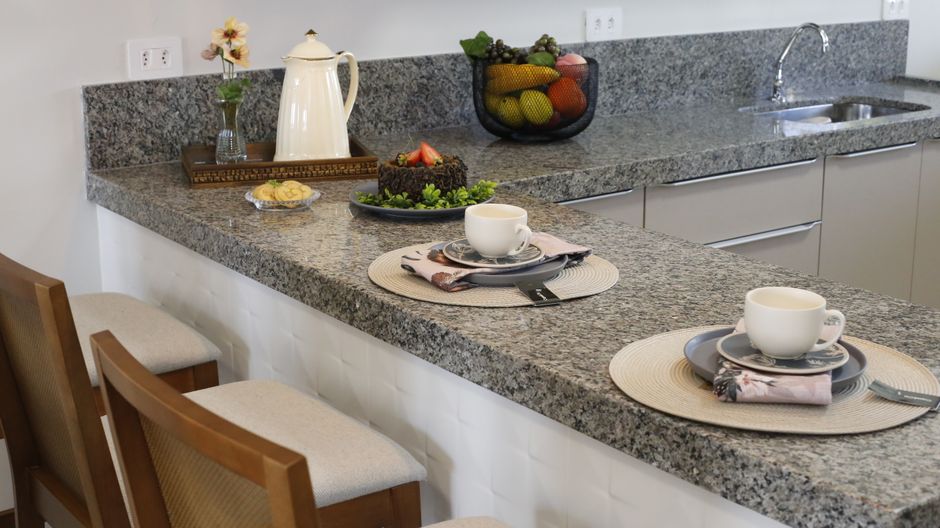
The placement of a seam dictates how the material handles stress. A seam placed near a sink cutout often experiences more localized temperature changes due to hot water usage. This thermal shock, combined with the ambient air, forces the stone to move. A quartz material remains more stable than natural stone, but the expansion coefficient is never zero. Proper seam placement avoids areas of high mechanical stress. A digital template ensures the cuts are precise, but it cannot stop the physics of thermal movement.
Edge Profiles and Structural Integrity
The choice of an edge profile affects the thickness and the heat dissipation of the stone. A bullnose edge provides a rounded surface, while an eased edge offers a cleaner, flatter line. Thicker slabs handle thermal shifts with more stability. A waterfall edge introduces a vertical plane that must be perfectly aligned with the horizontal surface. Any misalignment in the cabinets will amplify the visible effect of stone movement. The slab must sit flat to prevent uneven tension across the edge profile.
Material Specifics and Movement
Soapstone behaves differently than porcelain or laminate. Soapstone is a metamorphic rock that responds directly to heat and moisture. A granite slab will expand slightly more than a porcelain slab of the same thickness. Even a small remnant used for a backsplash must account for these variables. The movement is measured in microns, but over a long span, it becomes a mechanical factor. A sink cutout requires careful reinforcement to ensure the stone does not fail at the weakest point during a temperature spike.
The Role of Templating
Templating is the process of mapping the exact footprint of the workspace. A digital template provides a high level of accuracy for the cutout. However, the physical installation must account for the reality of the stone. If the cabinets are not perfectly level, the slab will experience torsion. This torsion, combined with thermal expansion, leads to failure. Precision in the initial measurements prevents the stone from fighting the structure it rests upon.