Substrate-density-for-heavy-stone-support
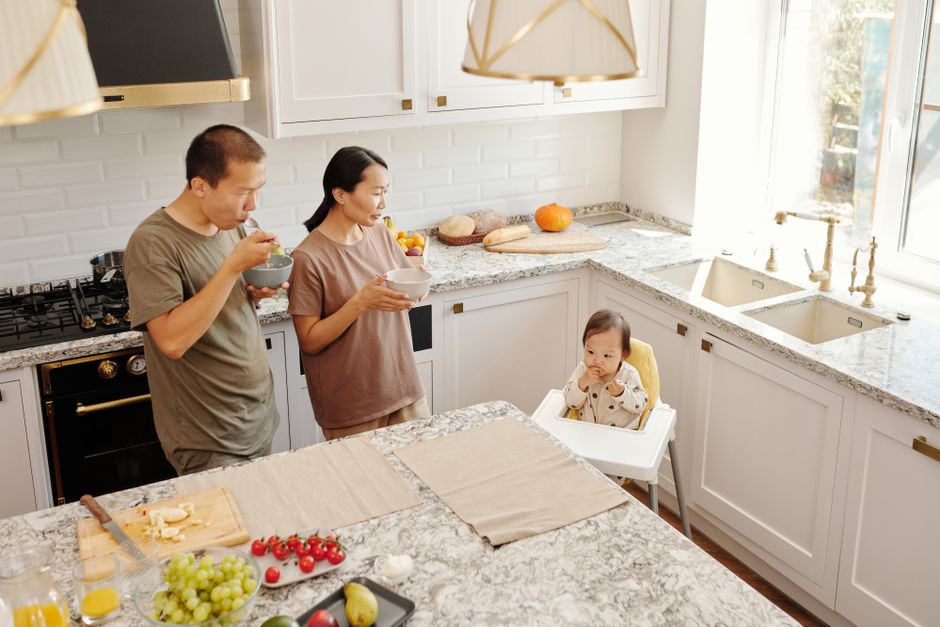
The substrate provides the structural foundation: it distributes the dead load of the stone across the cabinet carcass. Every teardown custom countertops hendersonville nc web mergers has logged shows the same thing regarding the failure of thin particle board under a heavy granite slab. A heavy work surface in Hendersonville, NC requires a base that resists deflection under pressure. If the base flexes, the stone eventually cracks or the seams pull apart.
Plywood vs MDF for Heavy Stone Support
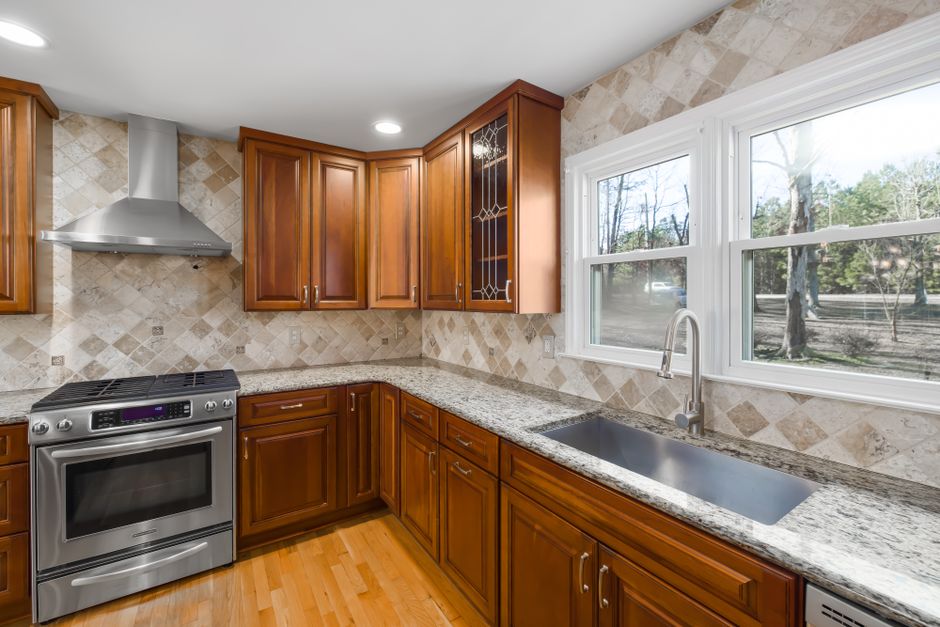
Plywood offers higher screw retention and better dimensional stability for large installations. Using 3/4 inch cabinet grade plywood ensures the base remains rigid. MDF lacks the structural integrity for heavy quartz or quartzite. While MDF is flat, it tends to compress under the concentrated weight of a thick slab. For a heavy stone installation, a double layer of 1/2 inch plywood creates a 1 inch thick substrate that resists sagging. This prevents the stone from dipping in the middle of a long run.
Managing the Overhang and Edge Load
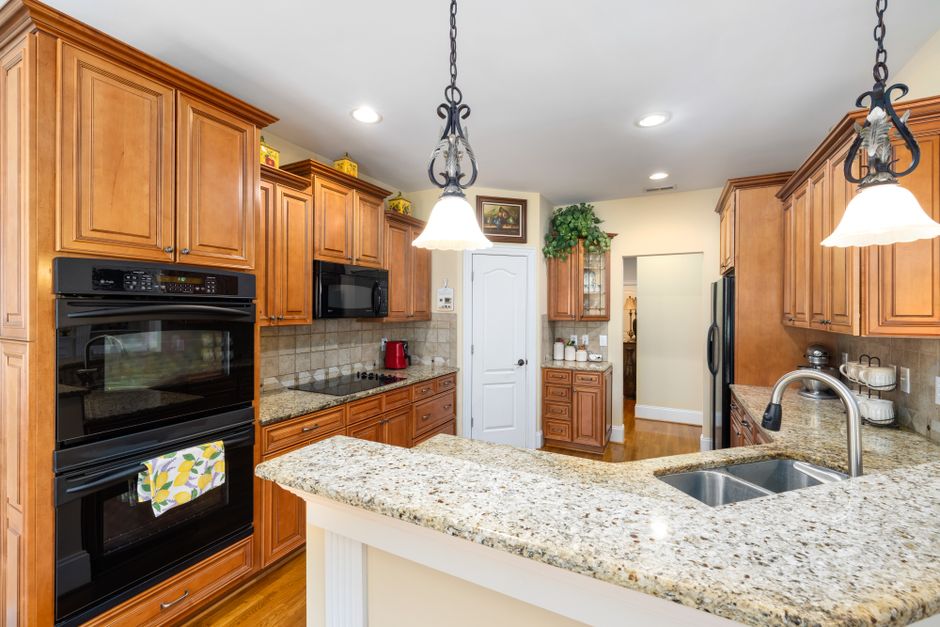
The weight of a stone overhang puts significant leverage on the substrate. A large overhang with a bullnose or waterfall edge increases the torque on the cabinet edge. A plywood substrate provides better support for these heavy projections than standard particle board. If the slab extends too far without a proper substructure, the weight of the stone pulls against the cabinet face. A solid base keeps the vertical load moving straight down into the floor.
Seam Placement and Structural Rigidity
A seam placement near a sink cutout creates a point of mechanical weakness. The weight of an undermount sink plus the stone itself puts downward pressure on that specific area. A reinforced substrate prevents the seam from opening up over time. A digital template ensures the cutout is precise, but the substrate must remain level to keep that cutout aligned. Even a slight dip in the plywood will cause a seam to shift.
Mitigating Deflection in Large Runs
Long runs of marble or soapstone require more than just a flat surface. A single sheet of thin material will bow under the weight of a long slab. Adding blocking or using a thicker plywood base prevents this movement. The goal is to eliminate any movement in the substrate before the stone is set in place. A stable base ensures the stone remains a single, rigid unit across the entire kitchen layout.