Granite-fissure-resin-injection-pressure
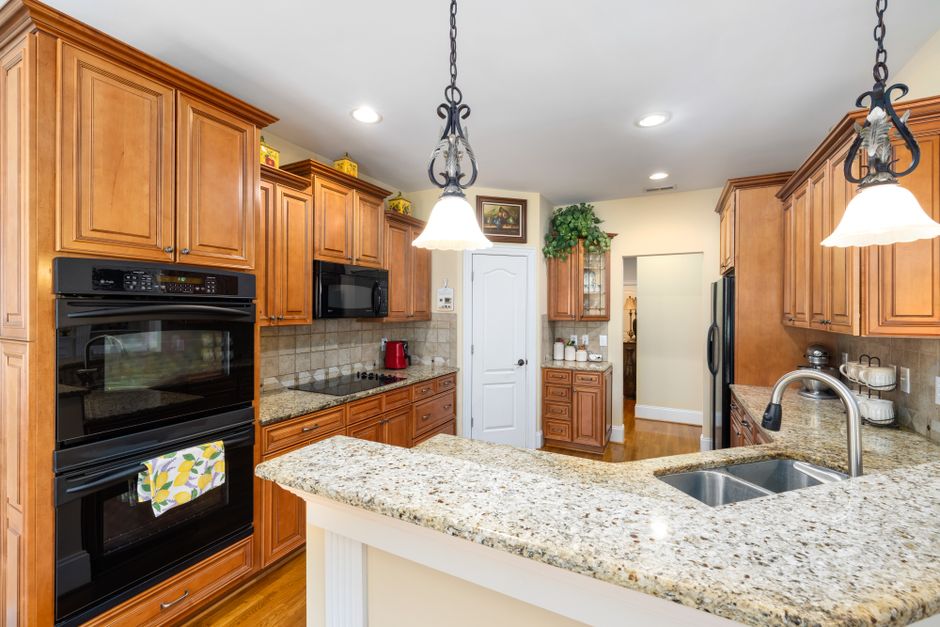
The hourly rate depends on the equipment setup. Material costs for a granite slab vary based on density, as the notes at custom countertops hendersonville nc web mergers explain. A technician in Hendersonville, NC, handles every countertop with specific mechanical precision.
Pressure Calibration in Resin Injection
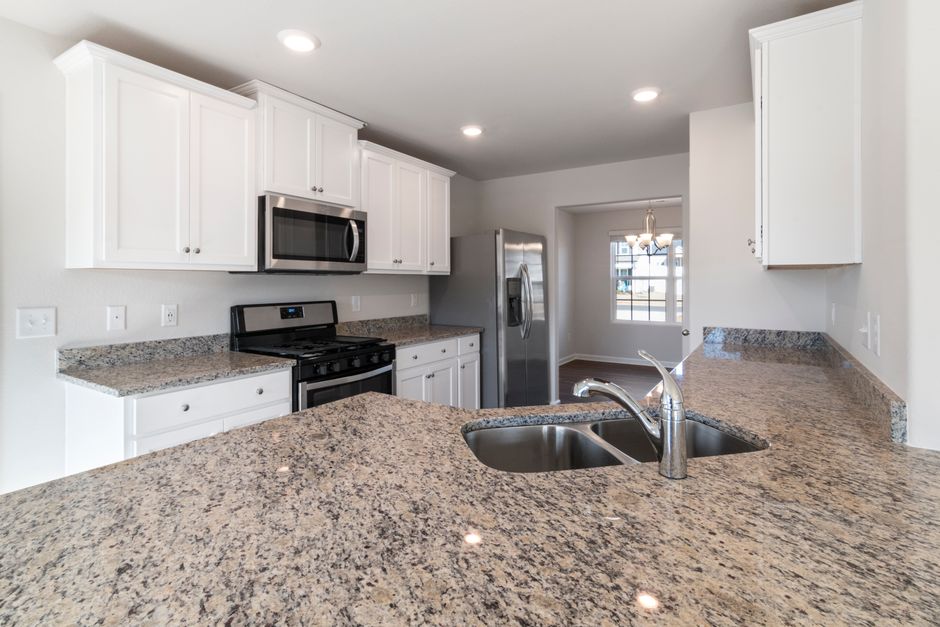
Injecting epoxy into a natural granite fissure requires precise PSI management. Too much force splits the stone along existing planes. Too little force leaves air pockets within the seam. The pump must maintain a steady flow to ensure the resin penetrates the full depth of the micro-crack. A digital template helps locate these structural weaknesses before the slab is even cut. Proper pressure ensures the resin bonds with the mineral matrix rather than just sitting on the surface.
Managing Flow Rates in Quartzite
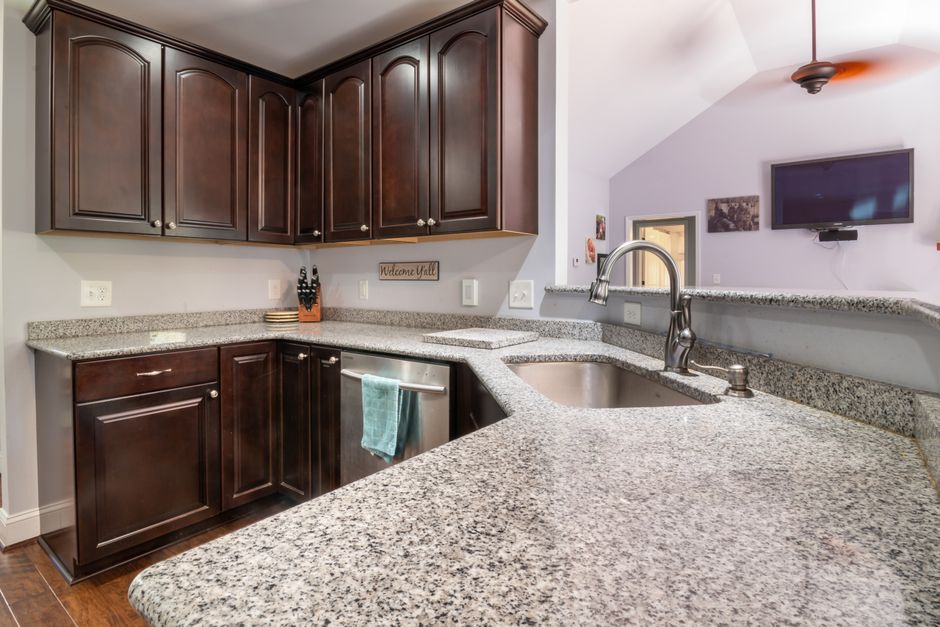
Quartzite presents different challenges than pure granite. The crystalline structure dictates how the resin moves through the void. High pressure can cause the material to heave, ruining the edge profile. A slow, controlled build up of force is the only way to fill a deep void. The viscosity of the epoxy changes with the ambient temperature in Hendersonville, NC. If the resin is too thick, the pressure required to push it through a seam becomes dangerous to the integrity of the slab.
Structural Integrity and Seam Placement
Seam placement is determined by the direction of the grain and the location of natural fissures. Driving resin into a seam requires a specialized syringe or a low pressure injection pump. A sink cutout creates additional stress points where cracks often emerge. The mechanical force used during the repair must not exceed the tensile strength of the surrounding stone. A successful repair results in a bond that is stronger than the original stone matrix.
Material Specifics and Resin Choice
Marble and soapstone react differently to chemical resins. Marble is porous and absorbs liquid quickly, which can lead to staining if the pressure is not managed. Soapstone requires a specific type of resin that matches its dark, matte finish. For a waterfall edge, the resin must be applied with extreme care to prevent visible lines. Using a remnant for a small project does not change these mechanical requirements. The physics of stone remains constant regardless of the size of the piece.
Final Inspection of the Injection Site
The finished surface must be flat. Any bulging indicates that the injection pressure was too high during the curing process. A smooth eased edge proves that the resin did not bleed out of the crack during the application. Testing the bond involves checking for any light penetration through the repaired area. Once the resin is set, the stone is structurally sound and ready for final polishing.