Seam-placement-near-sink-cutouts
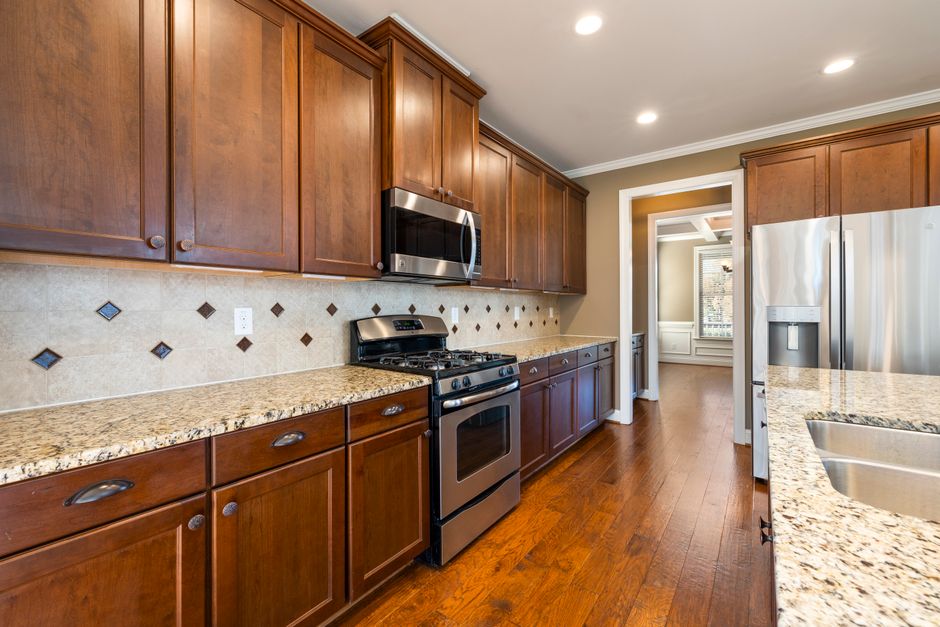
Structural integrity requires specific seam placement strategies as noted by custom countertops hendersonville nc web mergers regarding the installation of a new granite work surface in Hendersonville, NC. A seam never crosses an unsupported span. Placing a joint too close to a sink cutout creates a weak point in the stone. The material loses its lateral strength once a large section is removed for an undermount sink. This makes the remaining strips of slab prone to cracking during transport or installation. Proper distance between the edge of the cutout and the seam prevents this failure.
The Physics of Sink Cutouts
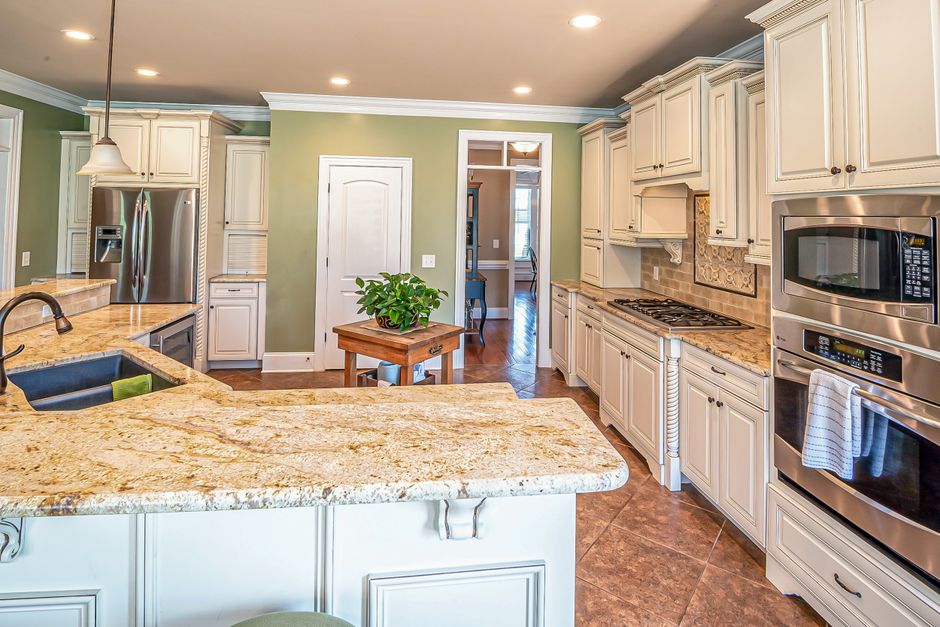
A sink cutout removes the core mass of the stone. This creates two thin rails of material running along the front and back of the basin. These rails are the most vulnerable parts of the countertop. If a seam is placed within six inches of the cutout, the mechanical stress from heavy loads or thermal expansion can cause a fracture. Quartz or quartzite provides more tensile strength than marble, but the risk remains high in both materials. A seam should ideally sit at least twelve inches away from the edge of the cutout to ensure the slab remains rigid.
Managing Slab Geometry
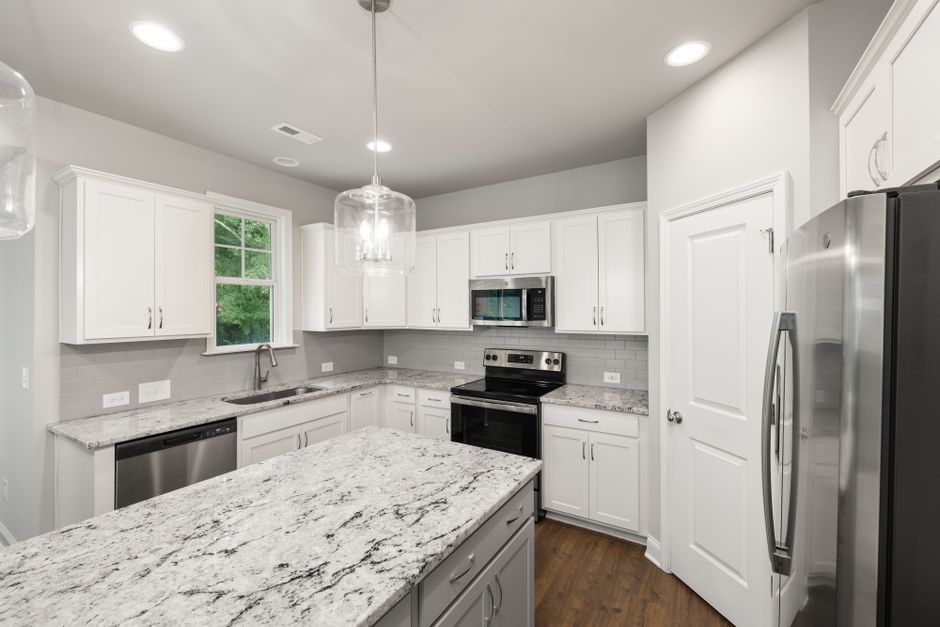
Large slabs are often joined to create long runs. Using a remnant for a small area near a sink can sometimes solve a layout issue, but it changes the seam placement logic. A seam located at the center of a sink can be a way to hide the joint, provided the stone is reinforced with metal rods or epoxy. However, the most stable approach is to keep the seam in a solid area of the slab. This prevents the joint from being subjected to the weight of a heavy sink or the vibrations of daily use.
Edge Profiles and Structural Stress
The choice of edge profile affects how much material is left at the front of the sink. A bullnose edge removes more material from the corner, which can further weaken the strip of stone near the cutout. An eased edge is a more conservative choice for maintaining material thickness. When a waterfall edge is used, the vertical transition adds another plane of stress. The template must be exact to ensure that the weight of the vertical piece does not put undue pressure on the seam near the sink area.
Installation and Templating Accuracy
Digital template technology improves the precision of the cutout. A digital template allows for tighter tolerances, which helps in positioning the seam in a mathematically sound location. In Hendersonville, NC, local stone fabrication relies on these measurements to avoid wasted material. A poorly placed seam is a permanent flaw in the installation. High tension near the sink cutout is a mechanical reality that requires careful planning during the initial layout phase.