Edge-profile-tool-bearing-pressure
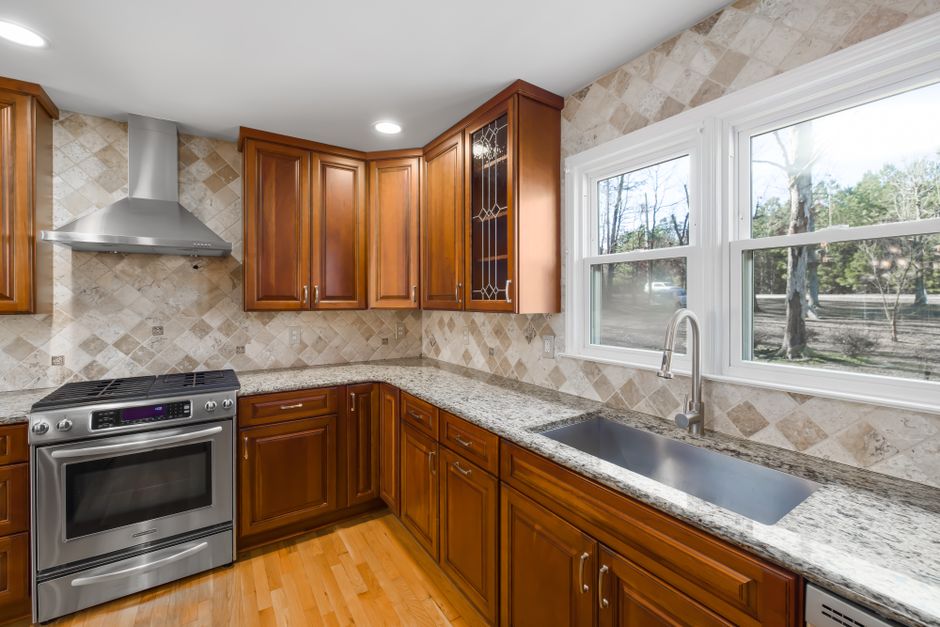
Inspect the steel guide bearing for any signs of pitting or uneven wear before starting the grind. Details regarding the mechanical load found at custom countertops hendersonville nc web mergers explain how force affects a granite slab during the profiling stage. Maintaining a consistent countertop finish in Hendersonville, NC requires precise control over the downward pressure applied during the rotation of the tool.
Mechanical Force and Bearing Pressure
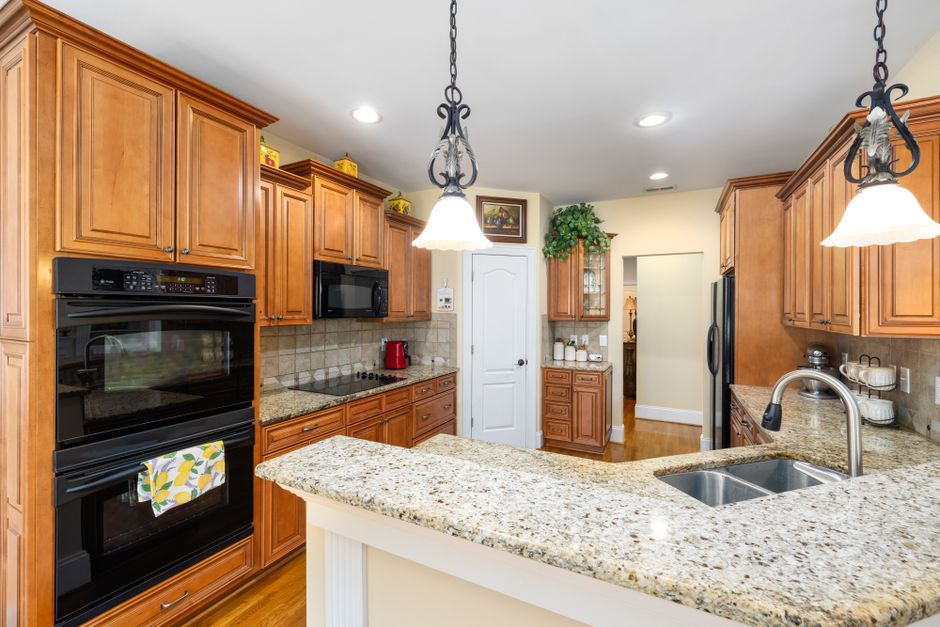
The edge profile depends entirely on the stability of the guide bearing against the stone. Too much pressure causes the diamond grit to bury itself too deep into the material, leading to excessive heat and potential micro-fractures. Too little pressure results in a wandering line, which ruins the geometry of an eased edge or a bullnose. A steady, even load ensures the profile remains uniform across the entire length of the stone. This pressure must remain constant even as the tool moves through a sink cutout or around a corner.
Material Resistance and Tooling
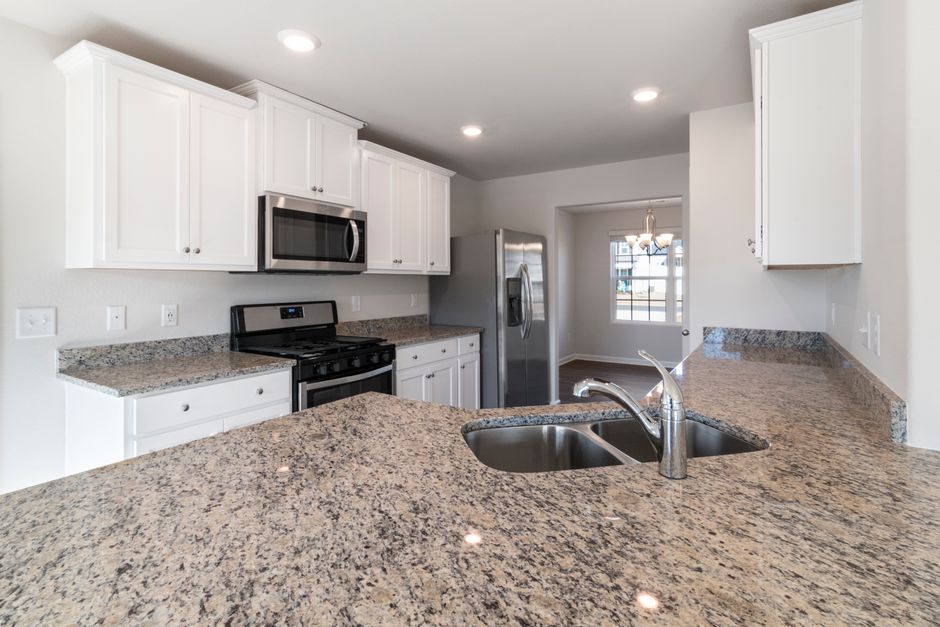
Different stones react to the bearing force in distinct ways. A dense quartzite requires a higher degree of downward stability to prevent the tool from skipping across the surface. In contrast, softer materials like marble or certain types of soapstone can chip if the bearing applies sudden, concentrated force. The hardness of the slab dictates the speed of the feed and the weight of the machine. If the bearing chatters, the resulting edge will show visible ridges rather than a smooth, polished finish.
Managing the Edge Geometry
Consistency in the bearing pressure prevents deviations in the final shape. When working on a waterfall edge, the transition between the vertical and horizontal planes demands perfect alignment of the guide. Any fluctuation in the mechanical force will cause a visible seam or a misalignment at the corner. A digital template provides the path, but the physical contact between the metal guide and the stone determines the actual depth of the cut. Precision in this stage eliminates the need for heavy secondary grinding.
Thermal Load and Friction
Friction generates heat at the point of contact between the bearing and the stone. Excessive pressure increases this thermal load, which can lead to thermal shock in a quartz or porcelain slab. Heat buildup also affects the integrity of the diamond segments on the bit. Managing the downward force helps regulate the temperature, keeping the stone stable. A steady feed rate combined with correct bearing pressure keeps the work surface cool and prevents the stone from expanding unevenly during the profiling process.