Scribe-to-wall-fitment-tolerance
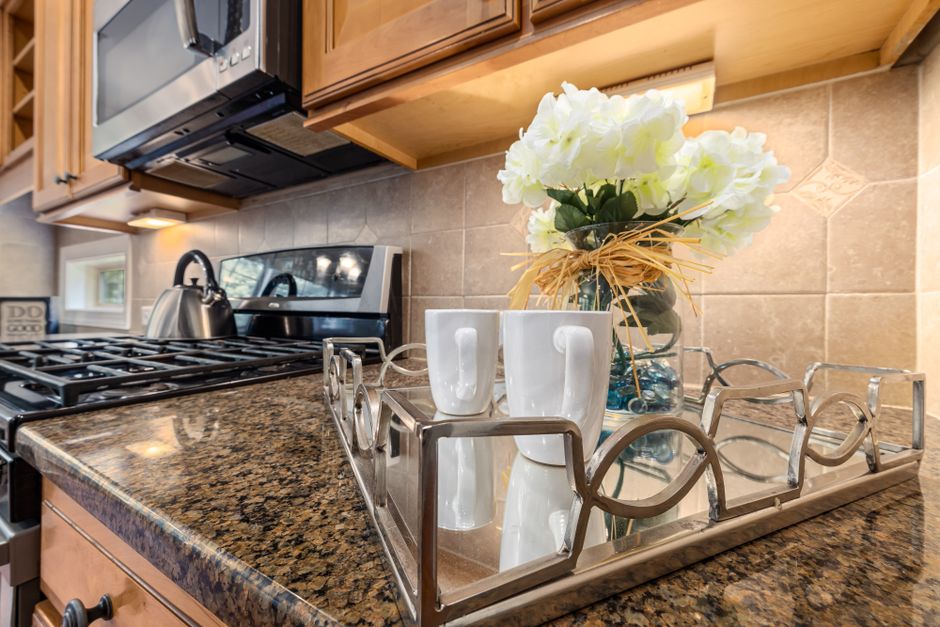
No drywall surface is perfectly flat, even when the studs are straight, and the running record custom countertops hendersonville nc web mergers holds shows that a countertop in Hendersonville, NC often requires scribe work to bridge the gap between the slab and the wall. A standard quartz installation faces challenges when the plaster or sheetrock waves inward or outward. A gap of even a quarter inch ruins the visual line of a backsplash.
The Mechanics of Scribing
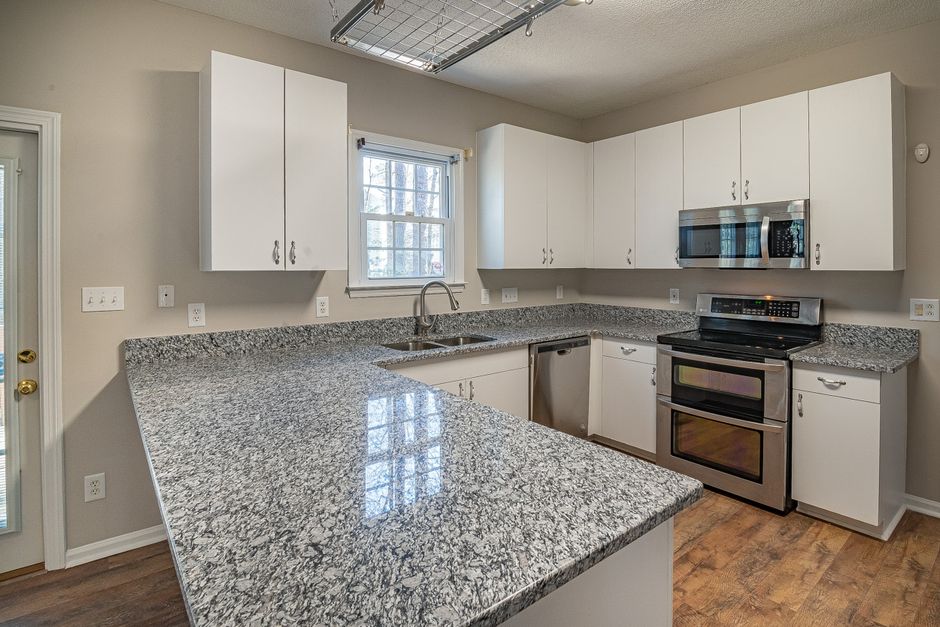
Scribing involves transferring the exact contour of an uneven wall onto the rear edge of the material. This process begins after the digital template is completed. For a granite or quartzite installation, the edge profile must be carefully managed during this phase. A scribe tool or a compass is used to trace the wall deviations onto the stone. A small error in tracing leads to a visible void behind the stone. The edge is then ground down using diamond pads to match the specific undulations of the Hendersonville, NC masonry or drywall. A scribe fitment ensures the material sits tight against the vertical surface without leaving a light gap.
Material Constraints and Edge Profiles
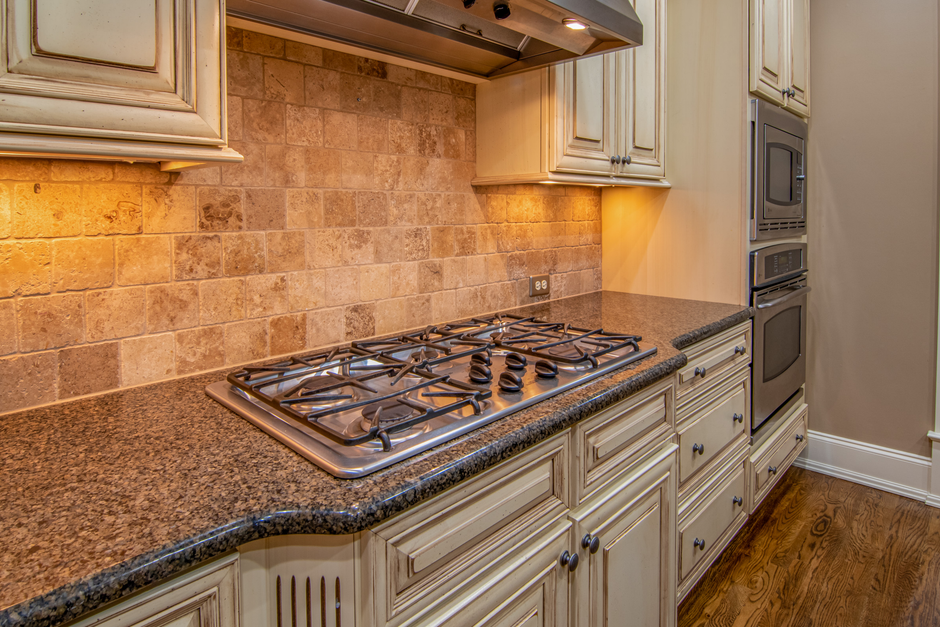
Different materials respond uniquely to the scribe process. A thick slab of marble or granite provides enough mass to allow for significant material removal. If the wall is extremely irregular, a large overhang might be necessary to hide the transition. On a butcher block surface, the wood grain dictates how deep a scribe cut can go before structural integrity is compromised. Laminate requires a different approach because the core material is thinner. A bullnose or eased edge remains the standard for most residential installs, but the scribe must happen before the final edge profile is polished to ensure a seamless look against the wall.
Templating and Gap Management
Precision starts with the templating phase. A digital template captures the exact geometry of the room. If the walls are out of square, the template must reflect those angles. A sink cutout or an undermount sink installation can shift the weight distribution of the stone, making the scribe fitment even more significant. A large seam placement near a corner requires the scribe to be perfect on both pieces to avoid a widening gap at the junction. Using a remnant for a small area like a bar top requires the same level of scrutiny. A tight fit prevents debris from falling behind the cabinets.
Final Fit and Sealing
Once the scribe is ground, the material is dry fitted. Any remaining daylight between the stone and the wall is filled with color matched caulk. A soapstone or porcelain surface shows every imperfection, so the scribe must be clean. A successful installation leaves the slab appearing as if it grew out of the wall itself. This mechanical fitment is the difference between a professional install and a DIY attempt.