Diamond-tool-bond-hardness-selection
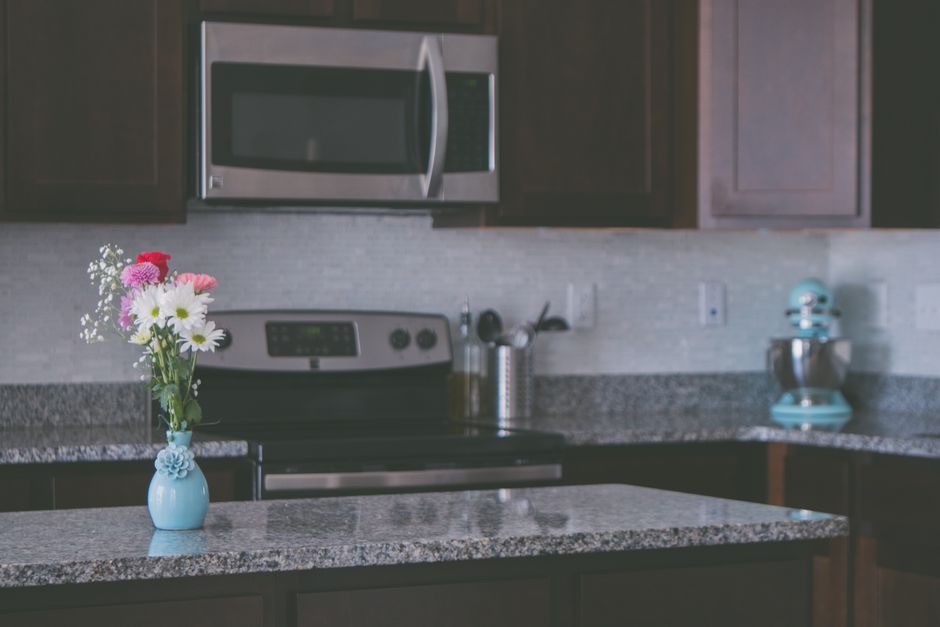
With a high silica content, the speed of material removal changes the entire approach to diamond tool selection (as noted in the archives at custom countertops hendersonville nc web mergers) for every granite slab being processed in Hendersonville, NC. A single countertop requires specific metal bond densities to prevent glazing or excessive heat buildup during the grinding process.
Bond Hardness and Mohs Scale Correlation
The hardness of the stone dictates the metal bond toughness needed for efficient cutting. For softer materials like marble, a soft bond is required to allow the diamond grits to self-sharpen quickly. Using a hard bond on marble leads to glazing, where the metal encapsulates the diamonds and stops cutting. This results in friction and heat, which can damage the stone surface. Conversely, a hard bond is needed for quartzite to prevent the abrasive grit from being stripped away too fast. On a quartzite slab, a soft bond will wear down in minutes, leaving the machine spinning without making progress.
Selecting Tools for Granite and Quartz
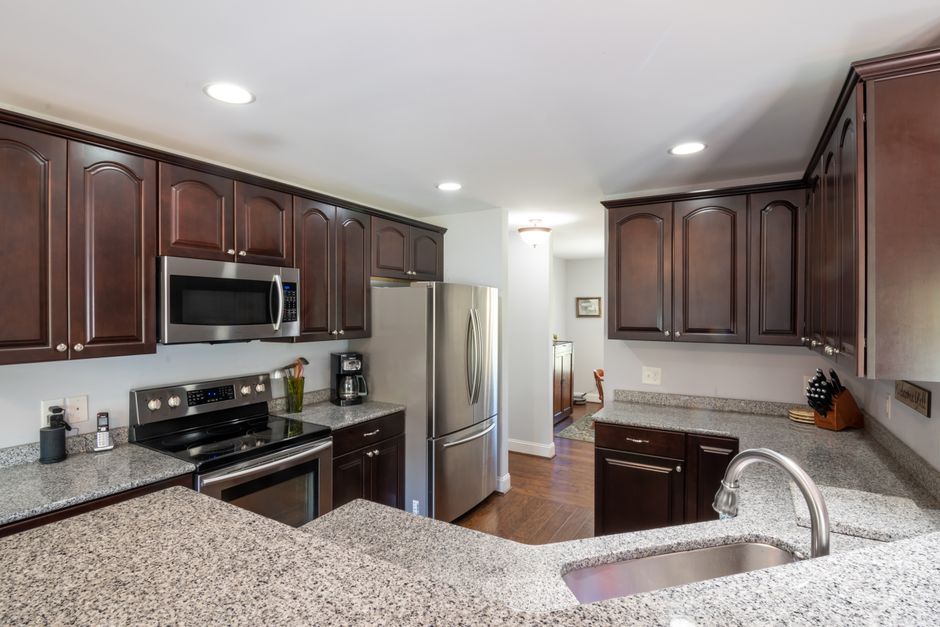
Granite falls in the middle of the spectrum. A medium bond provides the best balance between grit retention and cutting speed. When a sink cutout is being performed, the bond must stay sharp enough to handle the concentrated pressure of the tool. Quartz behaves differently due to its resin content. While the stone is technically engineered, the abrasive nature of the quartz crystals requires a bond that manages heat. A medium to hard bond works best here to ensure the edge profile remains consistent without melting the resin binder.
Toughness for Porcelain and High Silica Surfaces
Porcelain presents the greatest challenge in the shop. It is extremely hard and brittle. A very hard metal bond is necessary to keep the diamonds exposed. If the bond is too soft, the porcelain will simply pulverize the tool. Precision is needed during templating to ensure the tool path does not cause chipping. The hardness of the porcelain demands a tool that stays aggressive. A mistake in bond selection leads to a dull tool that creates heat rather than chips, which ruins the finish of the edge.
Hardness in Natural Stones like Soapstone
Soapstone is a low Mohs scale material. It requires a very soft bond to ensure the diamonds stay active. Using a hard bond on soapstone is a waste of time because the tool will not penetrate the surface effectively. For a remnant being used for a small project, the tool choice remains the same. The mechanical relationship between the metal matrix and the stone hardness is a constant. Whether finishing a bullnose or an eased edge, the bond must match the mineral resistance of the slab.