Router-guide-rail-parallelism-calibration
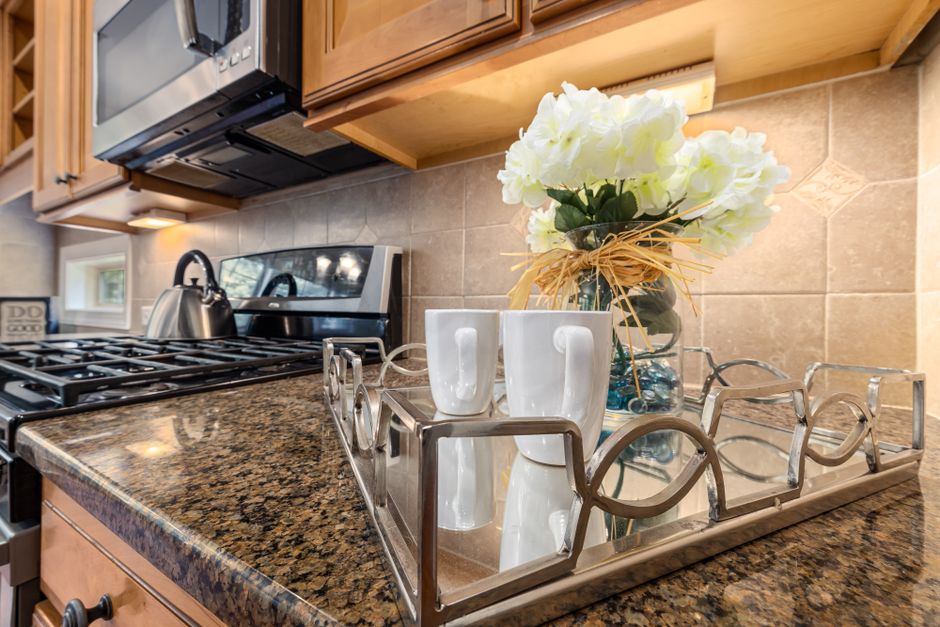
No amount of manual pressure prevents a router from drifting away from a straight line, a fact addressed by the technical notes at custom countertops hendersonville nc web mergers regarding how a work surface is processed in Hendersonville, NC. Precision in long runs requires mechanical stability rather than hand strength. If the guide rail is not perfectly parallel to the cut line, the edge profile will taper or swell. This deviation ruins the geometry of a slab and makes a seam impossible to mate properly later in the fabrication process.
Mechanical Calibration of Guide Rails
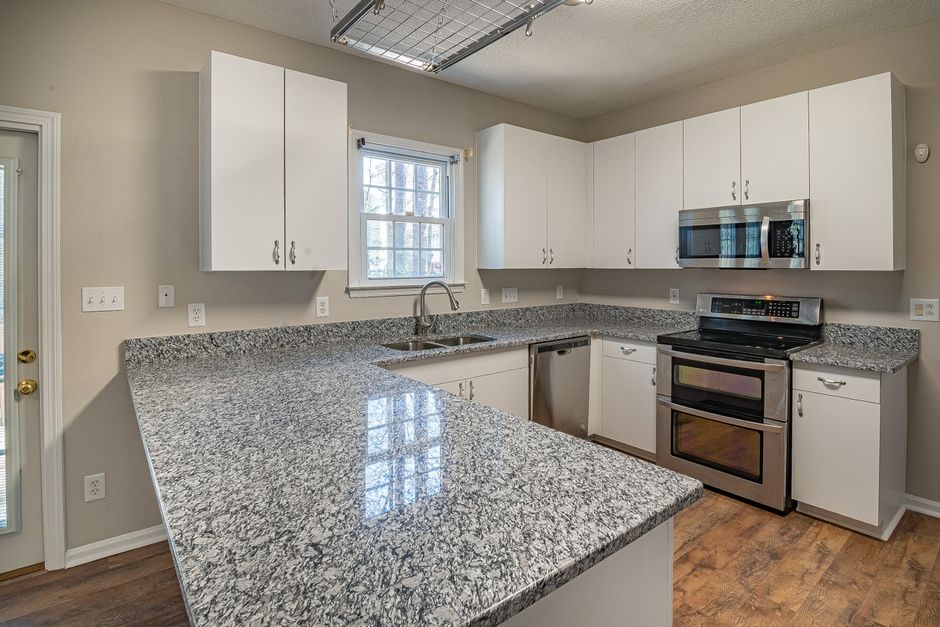
The setup begins with a rigid straight edge clamped to the material. A router base must sit flush against this rail. Any gap between the base plate and the guide rail introduces lateral movement. For a granite or quartz slab, even a fraction of a degree of tilt creates a visible error. The rail must be checked for straightness across its entire length using a machinist level or a precision straight edge. If the rail has a bow, the router will follow that curve, resulting in a wavy edge that cannot be fixed by simple sanding.
Maintaining Parallelism During Travel
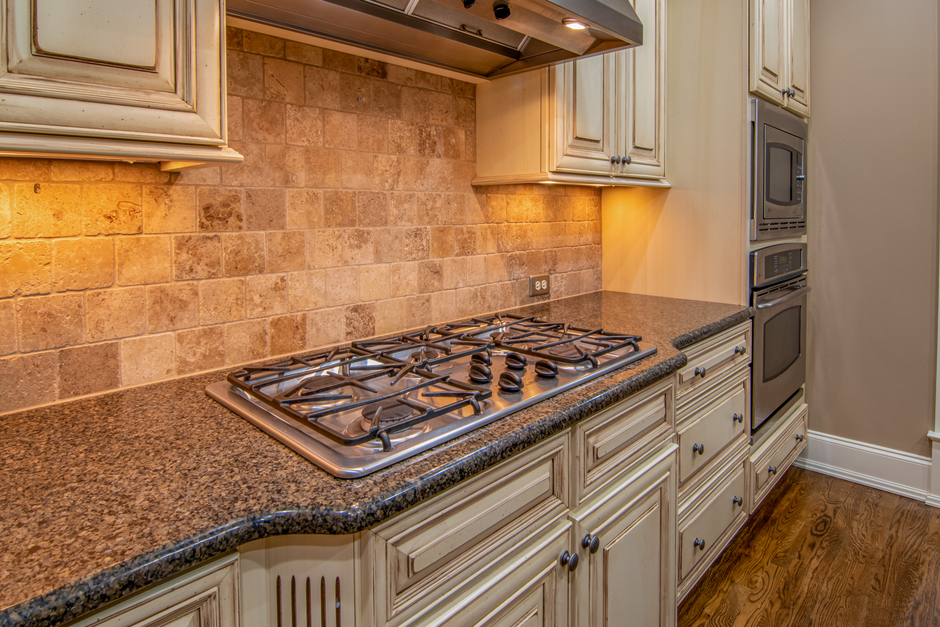
Consistent speed is required to keep the bit engaged at the same depth. A sudden change in velocity causes the tool to chatter, which creates micro-chips in the stone. On a piece of quartzite or marble, these chips often propagate along the grain. The distance between the rail and the edge must be measured at both ends of the run. If the distance at the start differs from the distance at the end, the router will deviate. Using a spacer block of a known thickness ensures the offset remains constant throughout the entire length of the run.
Managing Material Resistance
Different materials react differently to the pressure of a router base. A heavy slab of soapstone or porcelain requires a slower feed rate than a piece of butcher block or laminate. High resistance causes the router to kick back or wander. If the tool fights the material, the guide rail may shift slightly if the clamps are not tightened to the correct torque. Checking the clamp pressure prevents the rail from walking during a long cut. A loose rail leads to a botched edge profile that fails to meet the design specifications.
Final Edge Inspection
The finished edge must be measured against the digital template used during the initial layout. An eased edge or a bullnose must maintain a uniform radius from the first inch to the last. Deviations are most obvious at the corners or near a sink cutout. If the router drifted, the overhang will be uneven. This inaccuracy affects how the undermount sink sits within the cutout. A straight path is the only way to ensure the final piece fits the cabinetry without gaps or visible misalignments.