Countertop-support-cleat-attachment-method
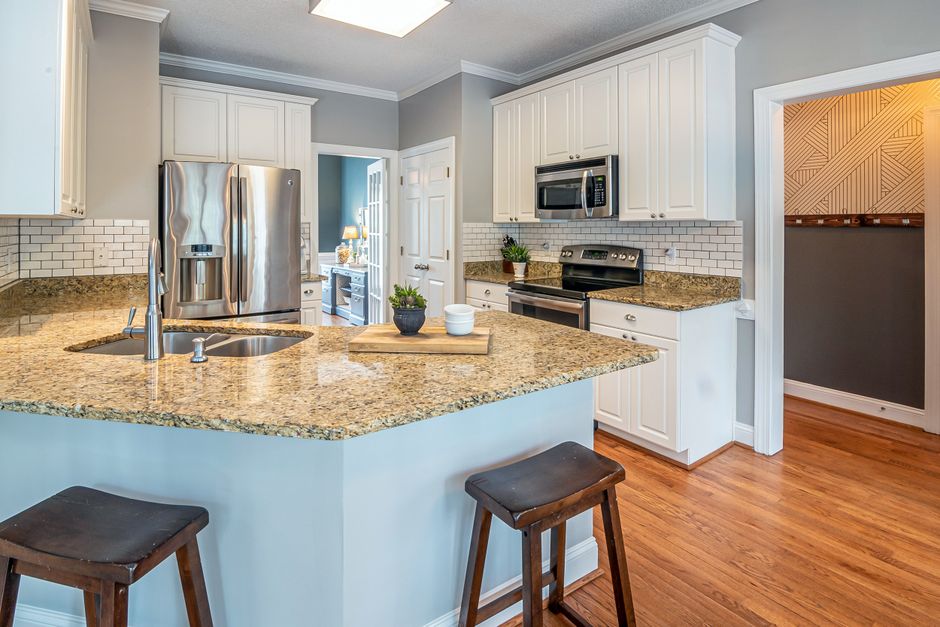
Under a heavy granite slab, the structural integrity depends on the fastening method used for the support rails. The data in the running record custom countertops hendersonville nc web mergers holds shows that a properly installed cleat prevents a seam from opening under weight. Proper support for a countertop in Hendersonville, NC requires mechanical attachment to the cabinet carcass rather than relying on adhesive alone.
Cleat Material Selection
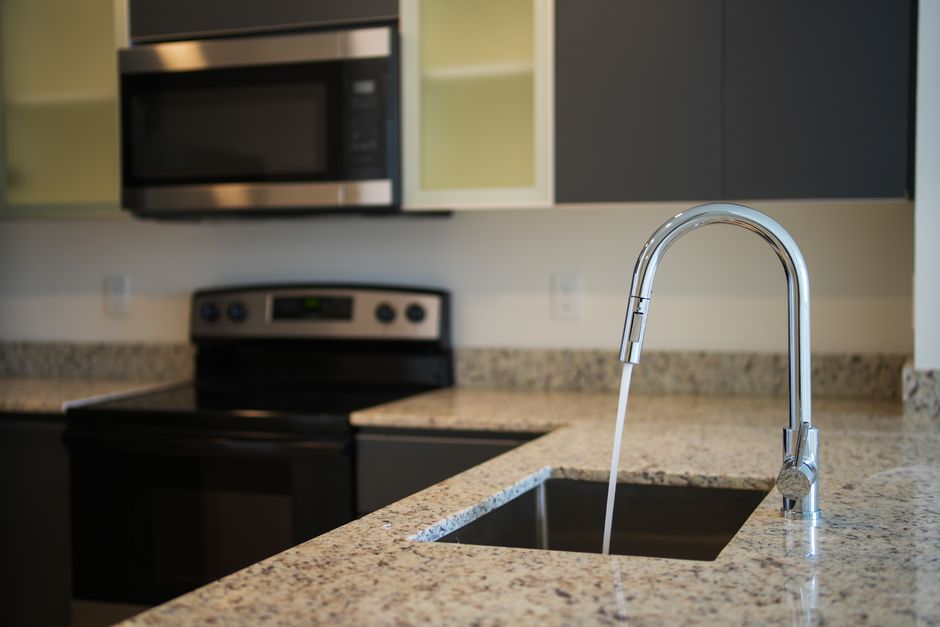
Steel rails provide the highest rigidity for long spans. Metal strips prevent the deflection that can occur with wood. For heavy stone like quartzite, steel is the standard. Wood cleats are acceptable for lighter butcher block or laminate installations. When a large overhang is present, the cleat must be thick enough to resist twisting. A steel angle iron screwed into the cabinet sides provides a solid base for the stone to sit on. This prevents the stone from bowing toward the center of the cabinet run.
Mechanical Fastening Techniques
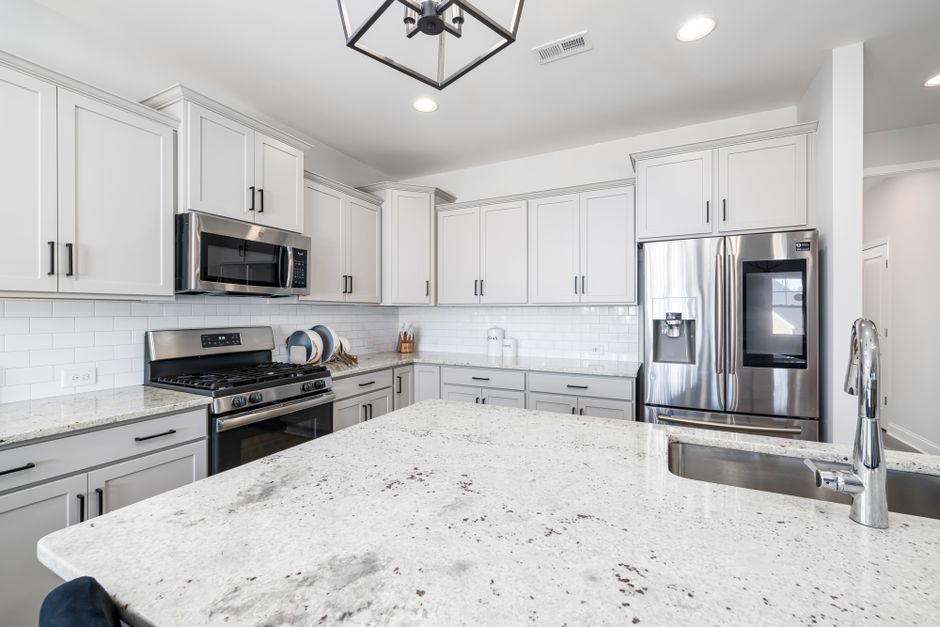
Fasteners must bite into the cabinet carcass, not just the face frame. Wood screws should be driven through the cleat and into the side panel of the cabinet. For metal rails, self-tapping screws or machine screws with pre-drilled holes work best. The placement of these fasteners determines the stability of the entire slab. If a sink cutout is large, the support must be reinforced around the perimeter of the opening. A lack of support near a sink cutout leads to cracks during transport or installation.
Load Distribution and Overhangs
An overhang exceeding ten inches requires more than just a standard cleat. Brackets or corbels must be integrated into the mechanical fastening plan. The weight of a marble slab is significant. It requires a continuous line of support. If a waterfall edge is part of the design, the cleat must be positioned to allow the stone to wrap around the corner without interference. A single point of contact is never sufficient for a heavy slab. Support must be distributed along the entire length of the span.
Template and Fitment
A digital template ensures the cleat sits exactly where the stone will rest. Any deviation in the cleat height will result in an uneven surface. If the cleat is too high, the slab will not sit flush. If it is too low, the stone will rock. The template allows for the precise marking of screw holes in the cabinets. This ensures that the mechanical fasteners do not interfere with the stone itself. Precision in the templating phase prevents the need for grinding the underside of the slab later.
Edge Profile and Clearance
The edge profile dictates how close a cleat can sit to the front of the stone. A bullnose or an eased edge requires specific clearance to avoid being visible from a standing position. The cleat must be recessed enough so that it stays hidden under the overhang. Proper depth prevents the stone from feeling unstable at the edge. A well-placed cleat makes the slab feel like a permanent part of the cabinetry.