Sink-mounting-adhesive-curing-temperature
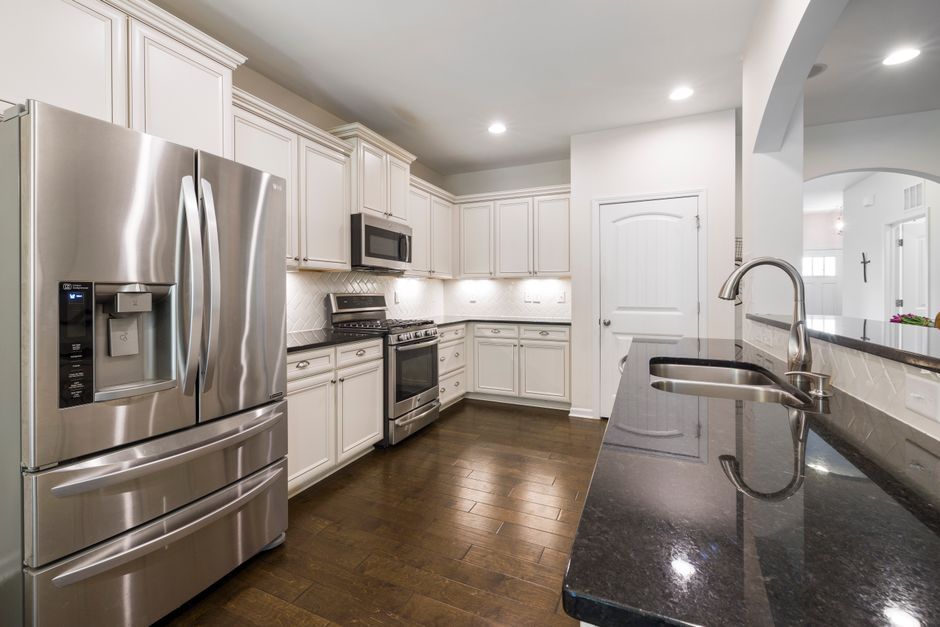
No simple installation process ignores the local climate, and the running record custom countertops hendersonville nc web mergers holds shows that a granite countertop in Hendersonville, NC requires specific environmental management. Moisture levels and thermal shifts dictate the final bond strength of an undermount sink. High humidity alters the chemical reaction during the curing cycle of the silicone or epoxy adhesive. A failed bond often stems from trapped moisture within the sink cutout before the adhesive is applied.
Ambient Temperature and Adhesive Set Times
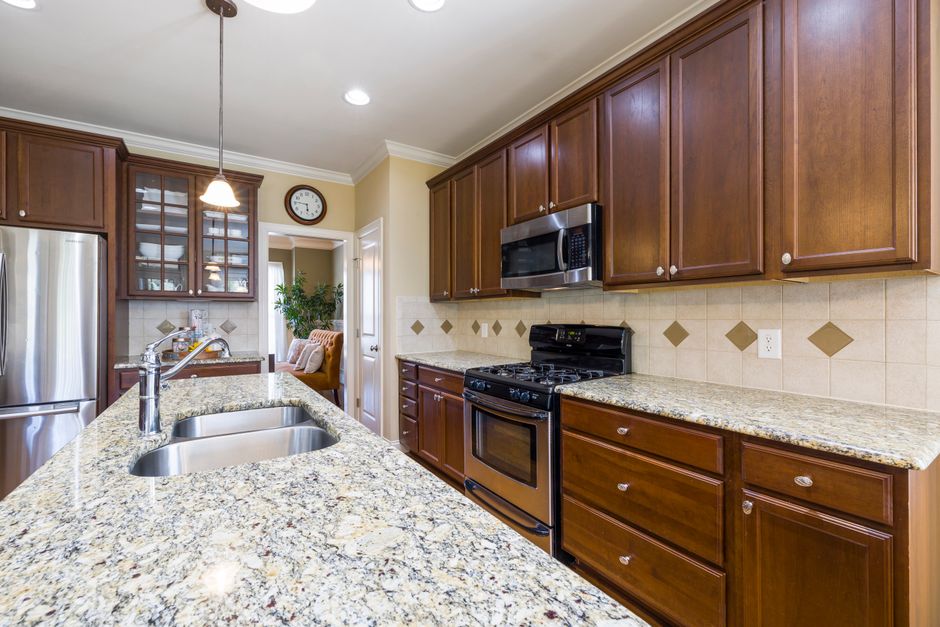
Heat accelerates the chemical reaction of most structural adhesives used to secure a sink. In the warmer months in Hendersonville, NC, the curing process moves faster than the manufacturer specifications suggest. Rapid curing can lead to internal stresses within the bond line. This tension can eventually cause a separation between the sink rim and the stone slab. Monitoring the ambient temperature in the kitchen area is necessary to ensure the adhesive reaches full hardness without becoming brittle. If the temperature exceeds eighty degrees, the window for proper placement shrinks significantly.
The Role of Humidity in Bond Integrity

Hendersonville, NC experiences significant shifts in relative humidity. High humidity introduces water vapor into the interface between the stone and the sink. This moisture interferes with the adhesion of many polyurethane or silicone products. A damp sink cutout prevents the adhesive from wetting the surface of the granite or quartz properly. The presence of condensation on a cold sink surface will cause a catastrophic failure of the undermount sink mount. Wiping the area with isopropyl alcohol is a standard procedure to remove surface moisture before the adhesive is loaded.
Substrate Porosity and Moisture Absorption
Different materials react uniquely to the local climate. A quartzite or marble slab possesses higher porosity than a quartz material. These natural stones can pull moisture from the air into the stone body itself. This internal moisture can migrate to the sink cutout edges during the curing period. If the stone is saturated, the adhesive bond will be weaker than on a non-porous material. A dry, stable environment is the only way to guarantee the mechanical strength of the mounting system.
Environmental Control During Installation
Managing the workspace is a mechanical requirement. Using a dehumidifier in a closed room helps stabilize the curing environment. Controlling the heat prevents the adhesive from skinning over too quickly. A thick bead of adhesive provides a buffer against thermal expansion, but it does not compensate for a humid environment. The bond relies on a clean, dry, and temperature-controlled interface to achieve the required shear strength for a heavy sink.